

The Help Is Already There. It Just Shows Up Years Too Late.
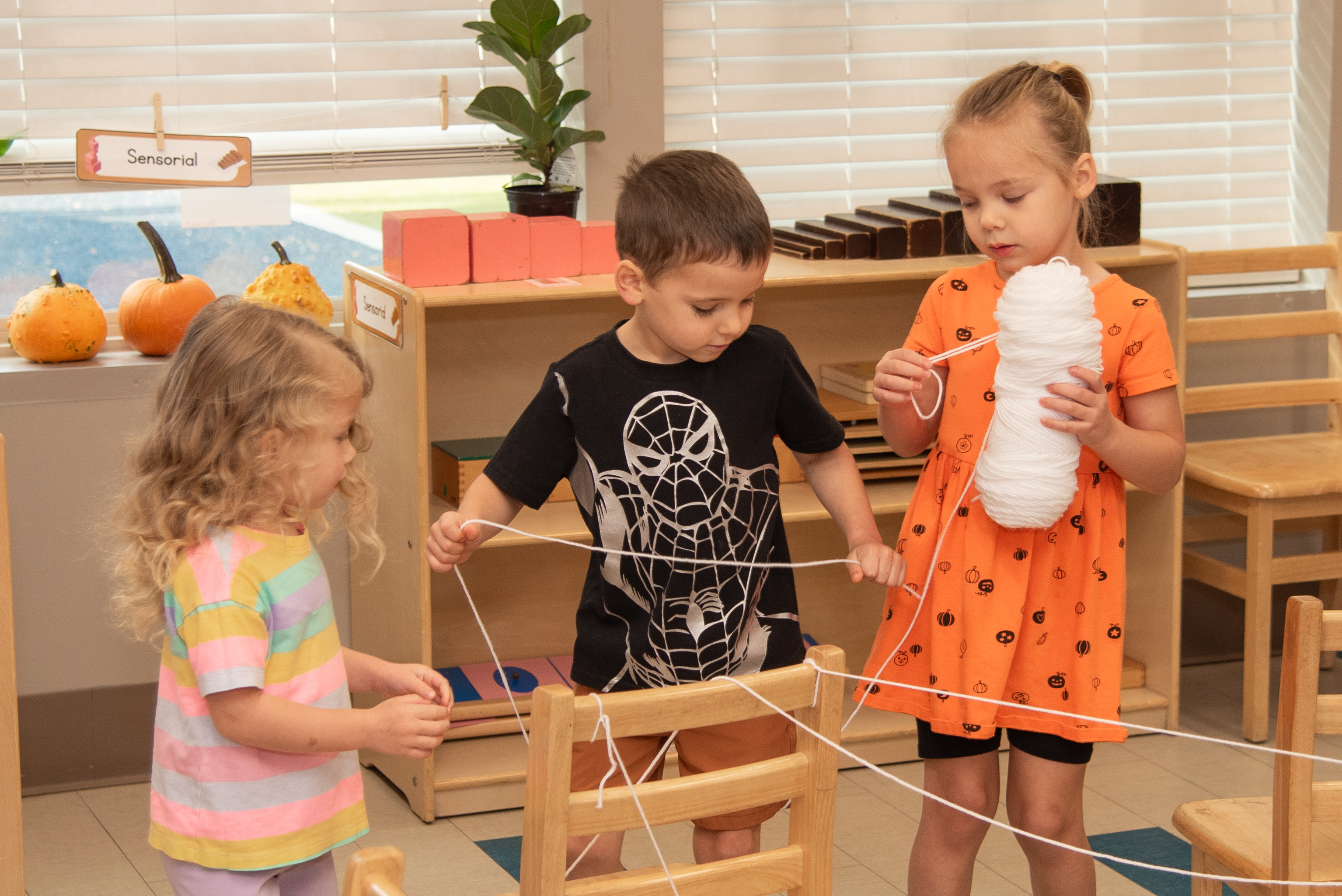
Edquisitive Montessori students practice fine motor skills with yarn in a curiosity-driven studio
Montessori educator Melissa Zamora on why parents are told to "wait and see," when the science says the early years are exactly when not to wait
SAN ANTONIO, TX, UNITED STATES, June 24, 2026 /EINPresswire.com/ -- Melissa Zamora has had a version of the same conversation more times than she can count. A San Antonio parent quietly mentions a worry about their three or four year old, something they have noticed at home, and the response they have gotten so far is some version of the same two words. Wait and see.She understands why people say it. Nobody wants to alarm a parent. But she has spent more than 25 years in early childhood classrooms, and she has watched what those two words can cost.
"Parents are told to wait, and they assume that means there is nothing to do yet," Zamora said. "But the research points the other way. The early years are not the time to wait. They are the time when help does the most good, because the brain is changing faster then than it ever will again."
She is not overstating it. The American Academy of Pediatrics recommends developmental screening at regular well-child visits and, importantly, any time a parent raises a concern, at any age. A pediatrician is not going to tell a worried parent it is too early. Acting early is exactly what the guidance asks them to do.
The gap, Zamora says, is that too many families do not realize that. So a quiet worry sits unspoken for a year or two, and a child who could have gotten support at three does not get it until five or six, once they are in the public school system and a formal process finally kicks in.
"By the time the system catches them, you have lost the window where it would have been easiest," she said. "Not impossible later. Just harder. And those are years you do not get back."
Her advice to parents is simple and, she stresses, low pressure. If something feels off, say it out loud. Tell your pediatrician what you are noticing. You are not being dramatic, and you are not jumping the gun. You are doing exactly what the doctor wants you to do.
She also thinks the place a child spends their days should make that easier, not harder. Good early educators are not there to diagnose anything, she is clear about that. But they see a child for hours a day, and a strong program is one where teachers notice patterns, mention what they observe, and help a family know it might be worth a conversation with their doctor.
"A teacher's job is not to label a child," Zamora said. "It is to pay attention, and to help a parent feel okay about asking the next question instead of sitting on it. That is the difference between an environment that is really watching your child and one that is just watching the clock."
It is a standard she holds the Edquisitive Montessori campuses she leads to, across San Antonio and Boerne.
She talks through all of it in the latest episode of Conversations for the Beginning Years, the podcast she hosts with Sarit. You can listen on Spotify athttps://open.spotify.com/show/5SWFuv7FGnZ7OOcjT38W0V or find it at edquisitivemontessori.com/conversations.
Teresa Gomez
Edquisitive Montessori
+1 210-418-3288
email us here
Visit us on social media:
Instagram
Facebook
YouTube
TikTok
Legal Disclaimer:
EIN Presswire provides this news content "as is" without warranty of any kind. We do not accept any responsibility or liability for the accuracy, content, images, videos, licenses, completeness, legality, or reliability of the information contained in this article. If you have any complaints or copyright issues related to this article, kindly contact the author above.
